Healthy Food for All
At the YMCA, food is more than fuel—it’s a way to learn, connect, and grow together. We prioritize nutrition education through our cooking classes and hands-on garden programs for all ages. We employ Healthy Eating and Physical Activity (HEPA) guidelines created to promote healthy eating and physical activity, in our youth programs. We also offer programs that fight food insecurity because we believe that everyone should have access to nutritious food—regardless of their background or income. By growing food on-site and teaming up with local organizations, we break down barriers to healthy eating and build a fairer, stronger food system.
All of our food programs are either funded through program revenue, grants, or generous donations.
You can support our work by volunteering, donating food items, or making a financial contribution to our Annual Campaign.
1
Featured Events:
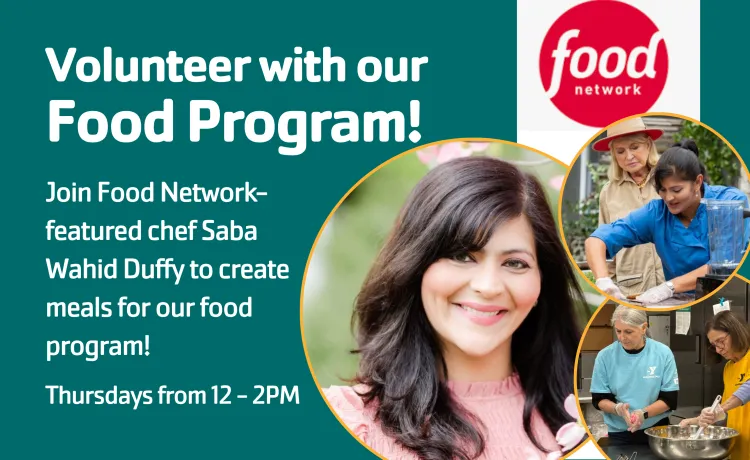
Cooking with Saba!
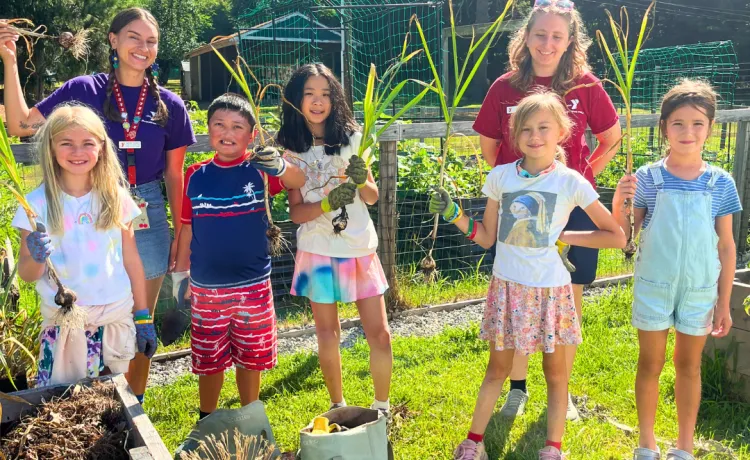
Fresh Harvest Flavors

Savor the Season!
1
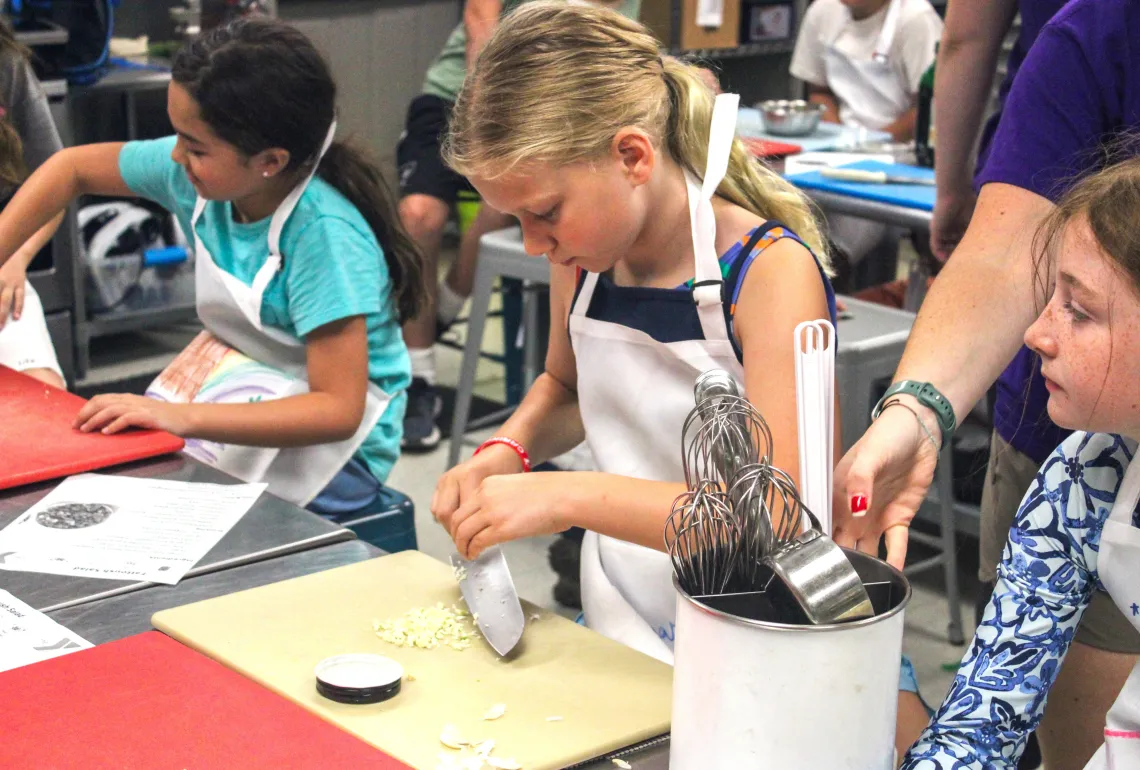
Cooking Classes All Ages
We offer a variety of hands-on cooking series and one-time classes designed to spark creativity, build confidence, and explore the world through food.
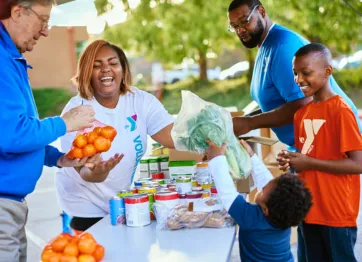
Fighting Food Insecurity
We believe that everyone should be able to access healthy food. That's why we partner with local food rescue organizations and secure philanthropic and volunteer support to provide programs like grocery distribution and free meals for youth.
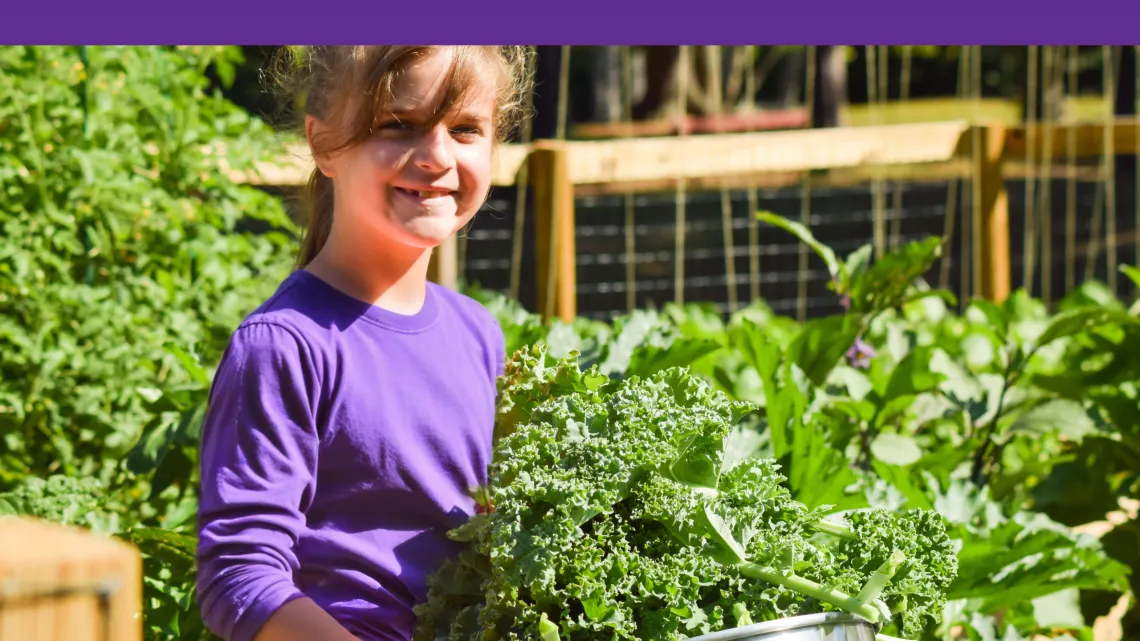
Garden & Farm-to-School
Our Farm to School Program, supported by the state’s MA FRESH grant, helps kids and families discover the joy of gardening, the science of growing food, and the fun of cooking.
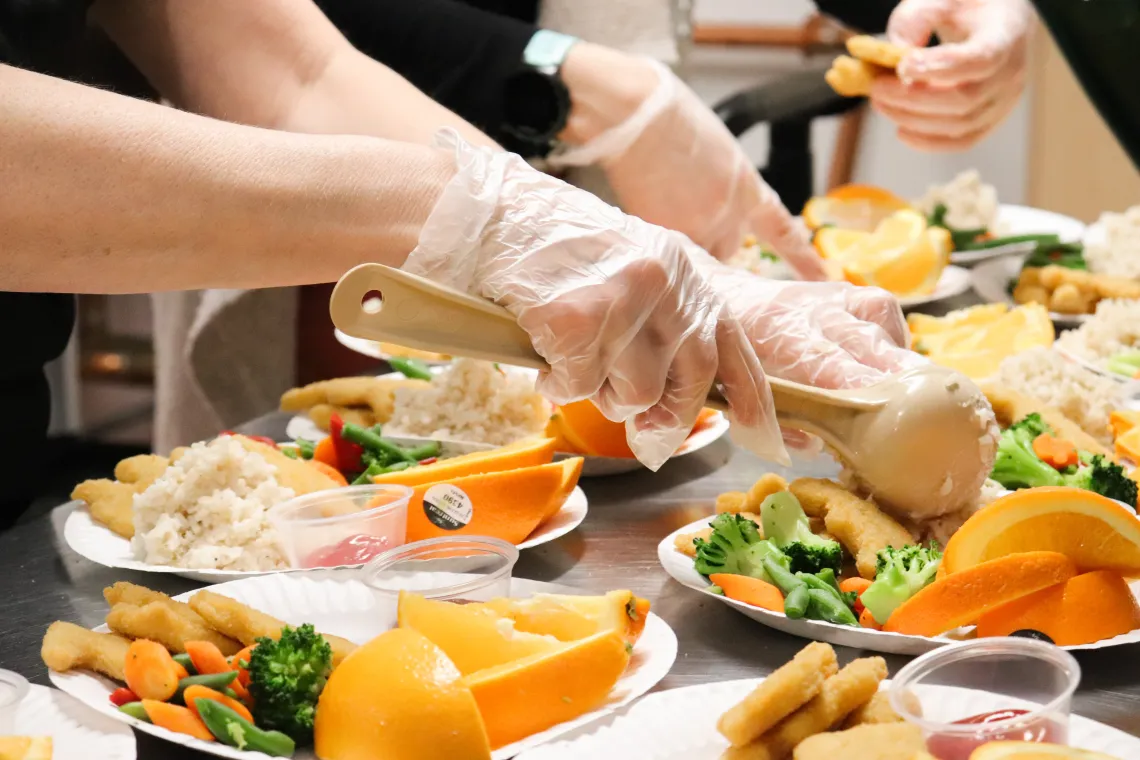
Food Services at the Y
Our Food Services team manages the on-site Changemaker Café at the Framingham Branch, a snack bar at Clearbrook Swim Club, and a catering program for events and meetings.
Featured News
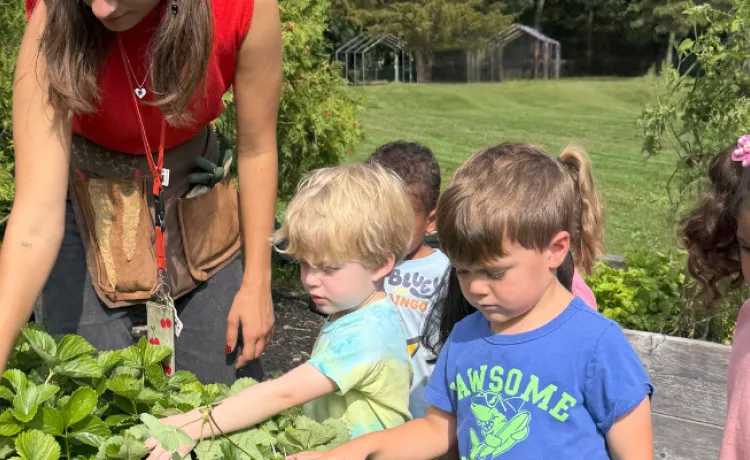
Harvesting Good Health: How the MetroWest YMCA Does Nutrition, Education, and Food Access
The MetroWest YMCA's Nutrition and Food Access Programs take a unique approach to education, sustainability, and community building.Tips to Improve Heart Health Through Nutrition
1
- Make half your plate fruits & vegetables at meals & snacks
- Include plant-based proteins: tempeh, tofu, beans, lentils, edamame, seeds, nuts
- Choose whole grains over refined grains: brown rice, quinoa, farro, whole wheat pasta, whole grain bread, oatmeal, whole wheat flour, etc.
- Choose whole fruits & vegetables over juices, which don’t contain fiber
- Leave the peel on fruits and vegetables
- If consuming meat, select lean options- cuts with “loin” or “round” in their name
- Drain off the fat in cooked, ground meat and skim off fat from any soups or stews
- Reduce consumption of processed meats such as hot dogs, salami, and bacon
- Replace higher fat dairy (yogurt, cheese, or milk) with lower fat options such as reducing whole milk products to 2% or 2% products to 1%
- Choose skinless poultry or remove the skim before eating chicken or turkey
- Check your food labels!
- Prepare foods at home more!
- Use as little salt in cooking as possible- you can cut at least half the salt from most recipes
- Flavor with spices, zests, and herbs instead of salt!
- Skip the table salt
- Watch out for toppings such soy sauce, ketchup, mustard, olives or pickles
- Purchase reduced-sodium or no-salt added soups, canned vegetables, etc.
- Compare food labels
- Add chia or flaxseeds seeds to yogurt, oatmeal, salads, smoothies
- Add walnuts to cereal or oatmeal, in your baked goods, as a crunch on top of salads
- Eat fish TWO times per week! Try making a homemade tuna salad or bake some salmon in the oven
- Some chickens are given feed that is high in Omega-3s, so their eggs contain higher levels- check your egg package
- Use walnut oil or flaxseed oil when making a salad dressing or sauce