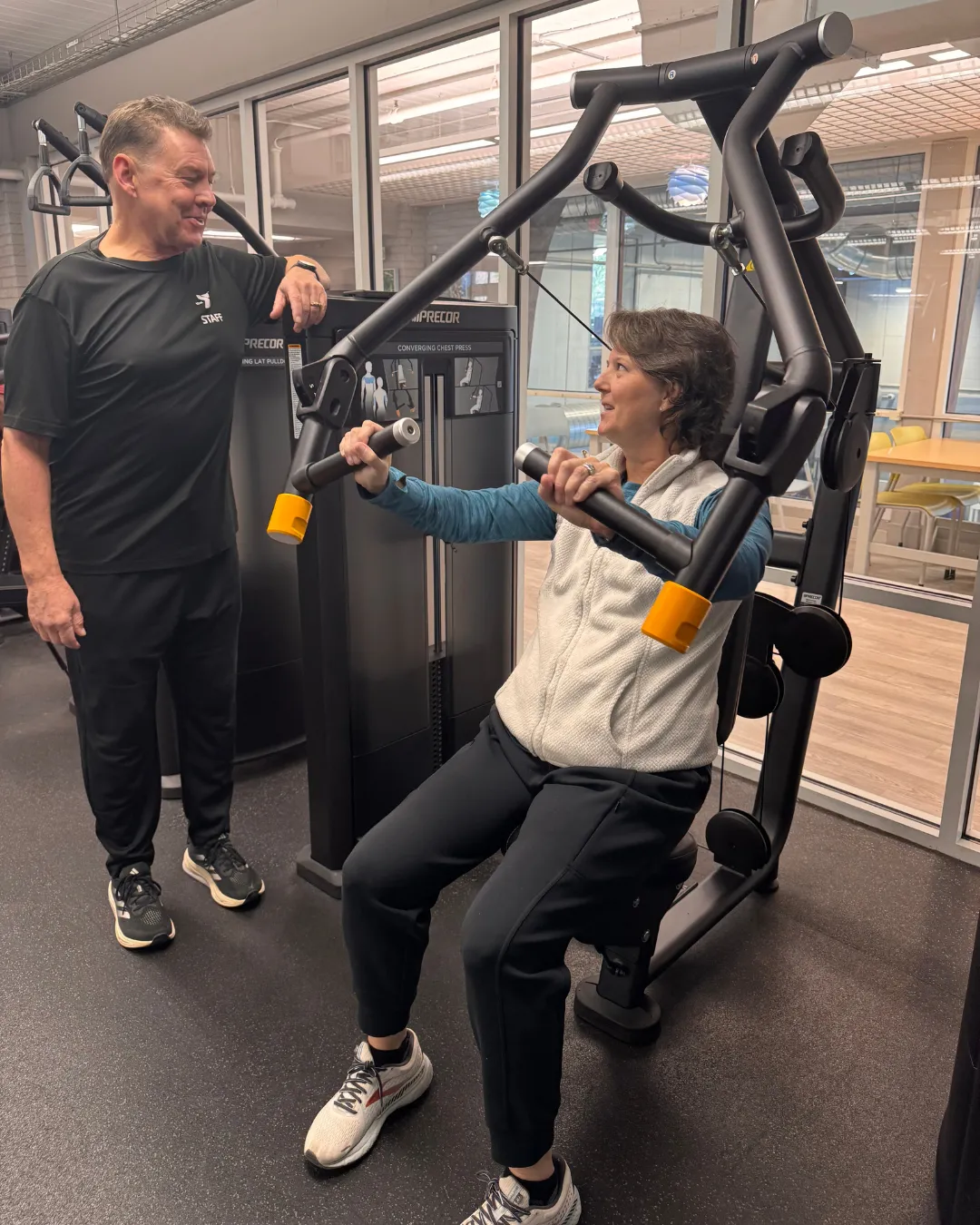
Finding Strength, Support and Community Through LIVESTRONG at the Y

When Elizabeth Young (Liz) received a breast cancer diagnosis in February 2025, she had no idea how much her life was about to change. A routine mammogram led to a biopsy, followed by a call from her primary care provider with news she never expected. She subsequently underwent four rounds of chemotherapy and chose to have a double mastectomy that summer to reduce future cancer risks.
Before her diagnosis, Liz considered herself relatively fit, rating her overall fitness a seven out of ten. But cancer treatment took a toll. Chemotherapy left her fatigued, deconditioned, and carrying extra weight. She knew she wanted to get back to exercising, but wasn't sure where to begin.
A fellow cancer survivor and LIVESTRONG participant recommended LIVESTRONG at the YMCA, a free, 12-week program designed to help people living with or recovering from cancer rebuild strength, improve physical well-being, and connect with others who understand the cancer experience. Her oncologist, Dr. Amy Comander supported her desire to join the program.
Liz was already a MetroWest YMCA member but hadn't known the program existed. The timing felt right, even though she was still undergoing treatment and had her chemotherapy port in place.
"I wanted to get back in the gym," she said. "I thought I was much stronger than I was until I got in there and realized, boy, chemo really did kick my butt."
A Safe Place to Start Again
For Liz, one of the most important parts of the experience was finding an environment where she could work at her own pace without feeling intimidated or judged.
"It feels like it was set up to be that way," she said of the welcoming, positive atmosphere.
Led by trained coaches, LIVESTRONG classes are intentionally kept small so instructors can provide individualized attention, adapt exercises, and help participants work toward their own goals. Liz appreciated the coaches' ability to recognize what each person needed and make adjustments in real time. Whether working on balance, strength, or endurance, participants were offered modifications to meet them where they were.
It also helped Liz approach her recovery with a growth mindset. When an exercise felt difficult, she reminded herself, "I can't do this yet."
That perspective made a difference. Rather than focusing on what cancer treatment had taken away, she began recognizing what she could accomplish and how much progress she was making. She felt a renewed sense of autonomy. "When you are diagnosed with cancer, life is full of 'wait and see,'" Liz said. "This program provides immediate feedback that you can work with."
For Erik Purins, a MetroWest YMCA employee and certified LIVESTRONG coach, that kind of progress is central to the program.
LIVESTRONG is an evidence-based program that tracks several health measures throughout the 12 weeks, helping participants and coaches see changes in strength, endurance, and other areas of physical health. But Erik emphasizes that the benefits extend well beyond the physical.
"Sometimes people react to diagnosis with self-isolation, and while our program focuses on the physical aspect of health, the fact that people can gather and connect also supports social-emotional health," he said.
Finding People Who Understand
Liz's daytime LIVESTRONG group included seven participants. Along with exercising and learning new skills, they spent time talking about cancer, treatment, and how they were feeling.
For someone navigating the uncertainty of a cancer diagnosis, having people who truly understand can make a meaningful difference.
The group became another source of support alongside family, friends, and medical providers. Participants could share experiences, encourage one another and celebrate progress without needing to explain what they were going through.
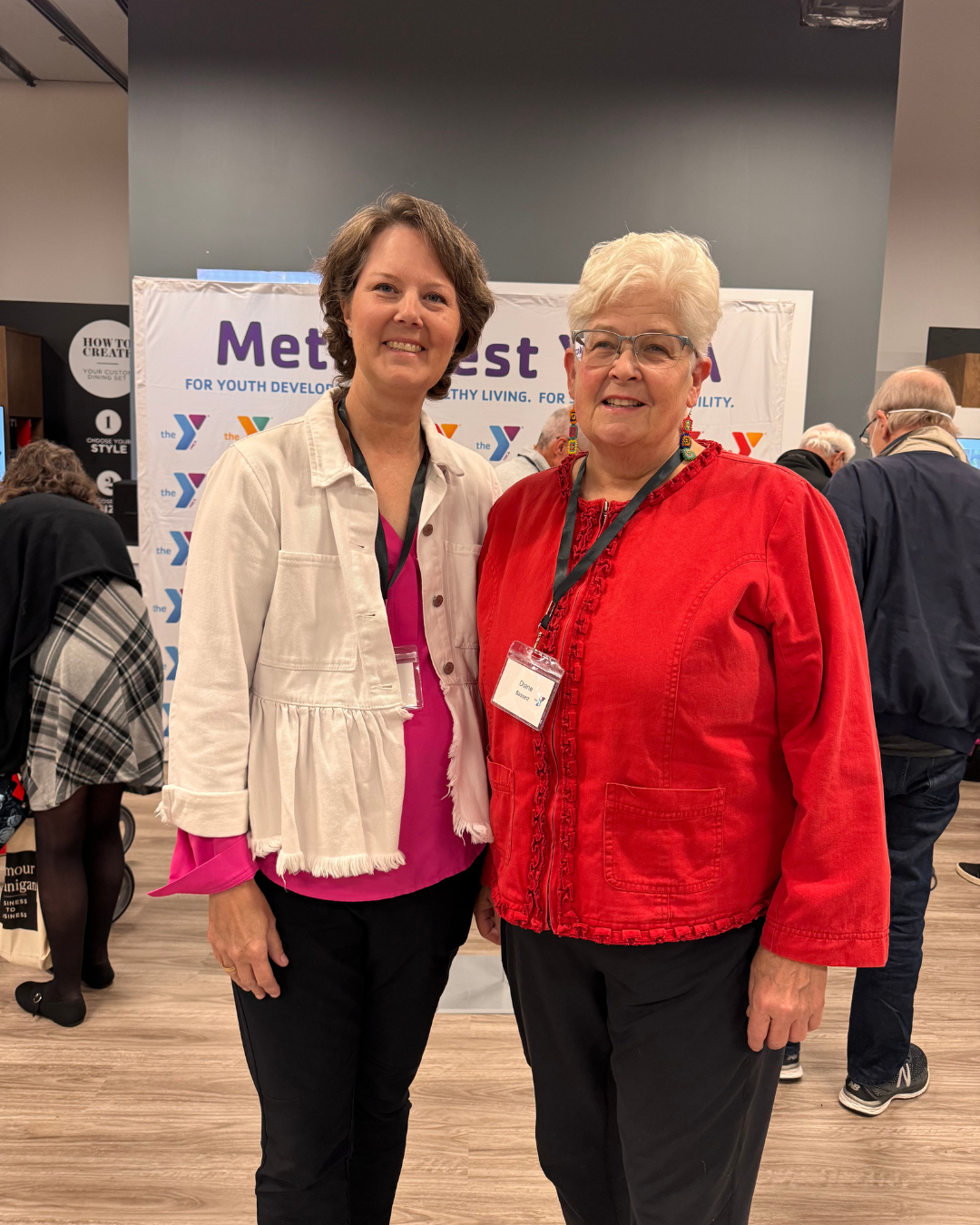
That sense of connection didn't end when the 12-week program was over. Liz met another participant, Diane, and they've since become workout partners.
"The community part of it is so valuable," Liz said. "You meet people in the same life stage as you, and it helps you tackle those challenges together."
Erik sees these relationships develop throughout each session. The program creates opportunities for participants to connect naturally while working toward individual goals.
Recognizing how meaningful these connections become, the MetroWest YMCA developed Stay Strong, a six-week continuation program that allows LIVESTRONG graduates to keep exercising, access coaching support, and stay accountable to one another after their initial program ends.
Liz participated in Stay Strong after completing LIVESTRONG, continuing the momentum she had built.
Strength That Reaches Beyond the Gym
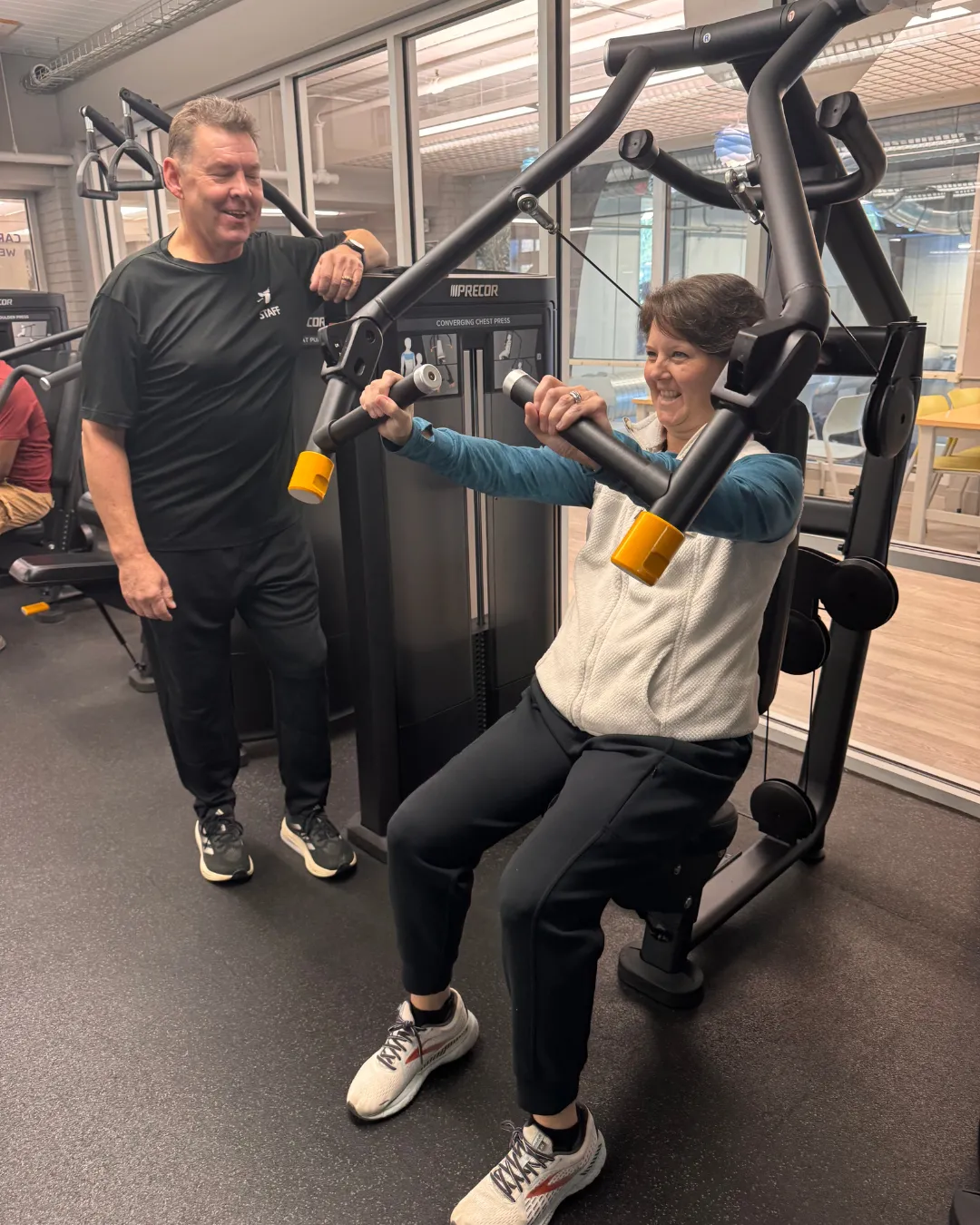
Today, Liz continues to exercise at the Y, and the positive effects have carried into other parts of her life. She says the endorphins kick in, her energy improves, and the benefits extend well beyond her workouts. Her husband has also started exercising regularly at the Y.
Looking back, Liz recognizes that while her cancer experience brought difficult and unexpected challenges, it also gave her opportunities to connect with people and share her story in ways she hadn't anticipated.
She hopes others can benefit from the same support she found through LIVESTRONG. And whenever she has the opportunity, she shares one important message:
"Get your mammogram. It could save your life."
For more than 15 years, the MetroWest YMCA has offered LIVESTRONG at the YMCA, helping people affected by cancer rediscover their strength, build confidence and find community. The program is completely free and includes a complimentary YMCA membership for the duration of the 12-week session. The MetroWest YMCA also builds on the national LIVESTRONG model by incorporating additional wellness opportunities, including yoga, Zumba, and Tai Chi, along with nutrition support that considers potential medication interactions.
As Erik and Liz's experiences demonstrate, recovery isn't just about rebuilding muscle or improving endurance. It's also about finding encouragement, recognizing progress, and knowing you don't have to navigate the journey alone.